Boben | Global Leader in Cleanroom Equipment& HEPA Filtration

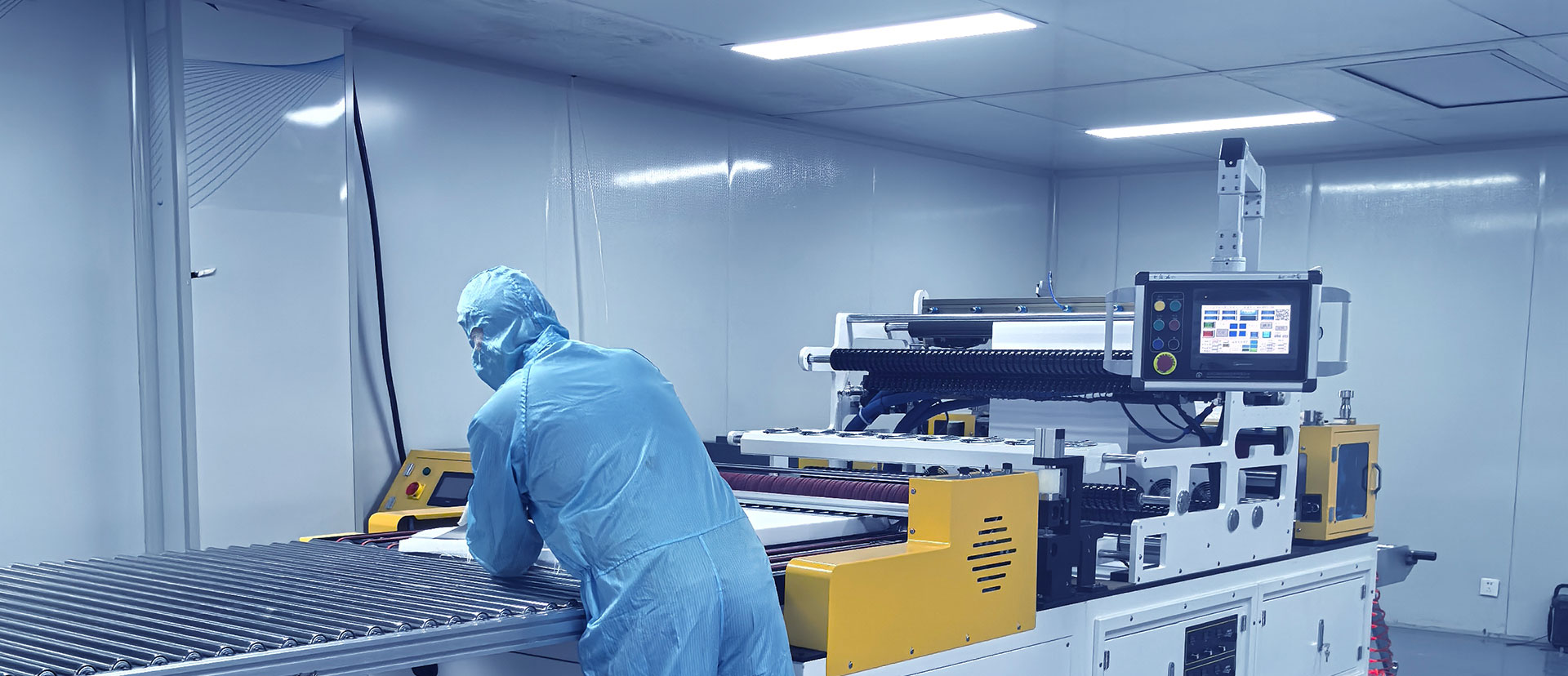
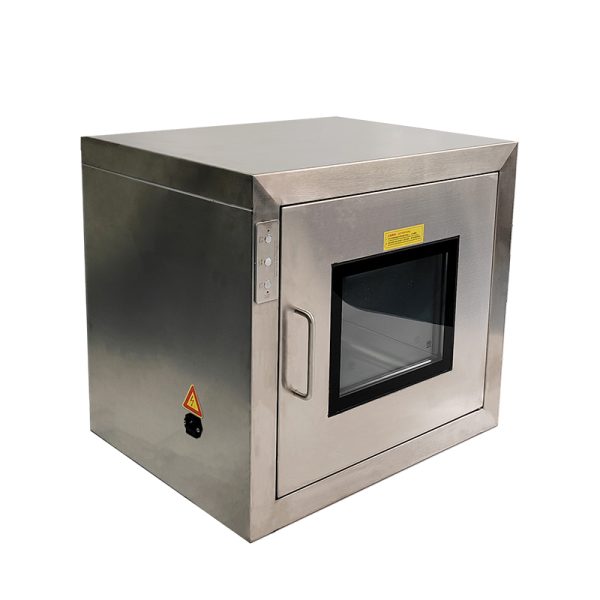
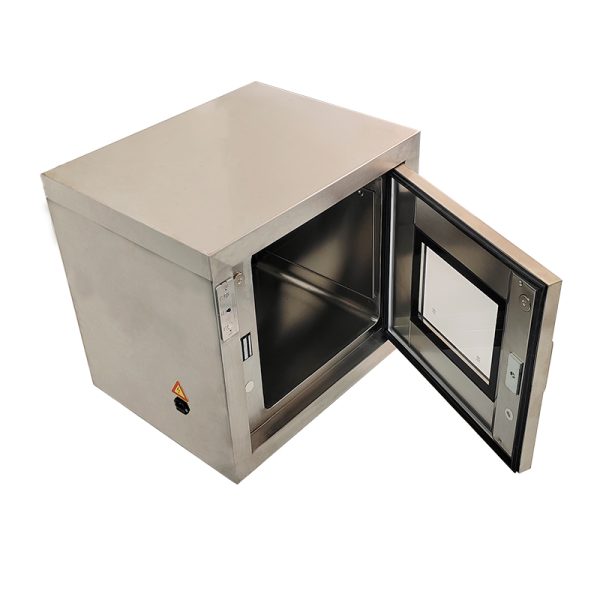
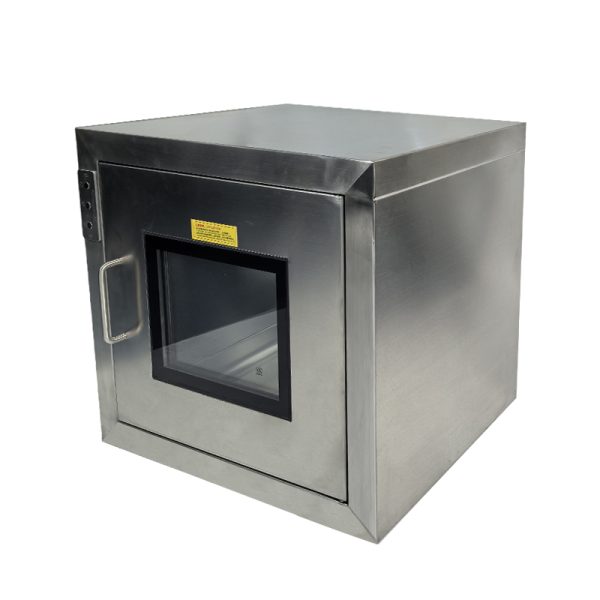
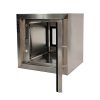
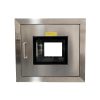
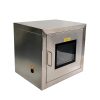
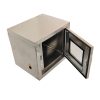
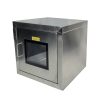
Static Pass Box
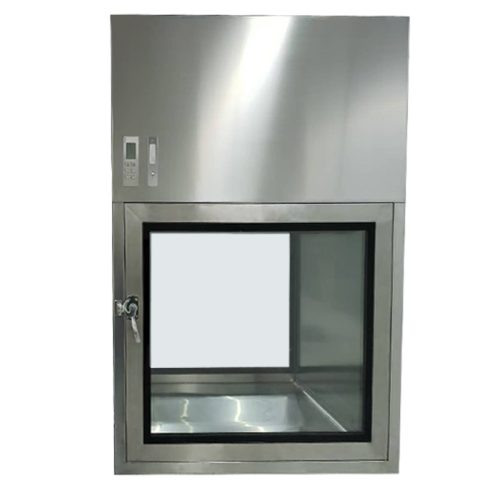
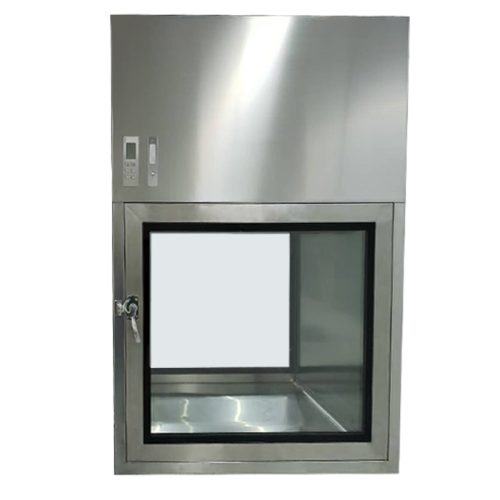
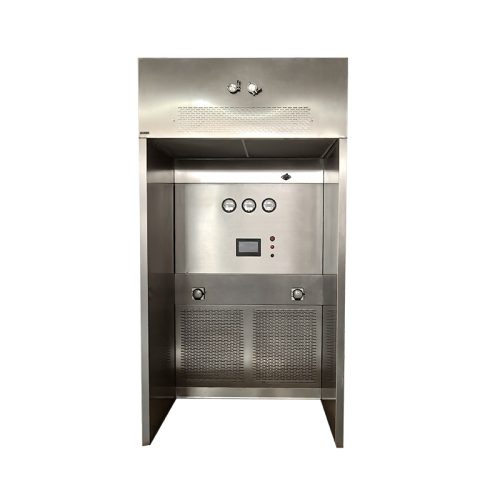
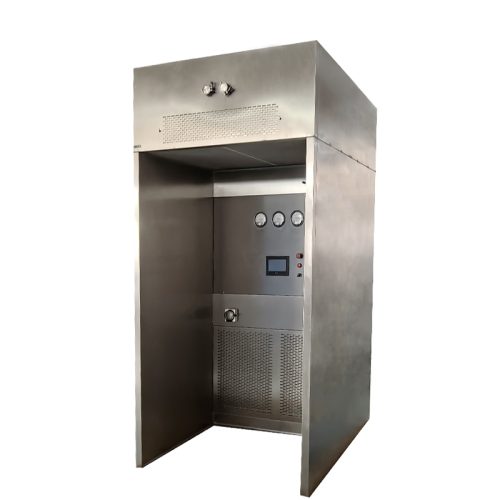
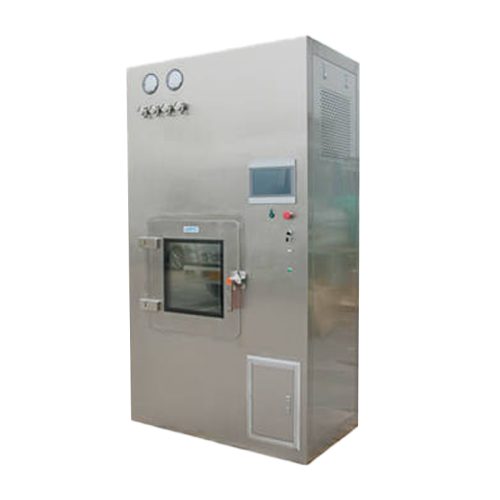
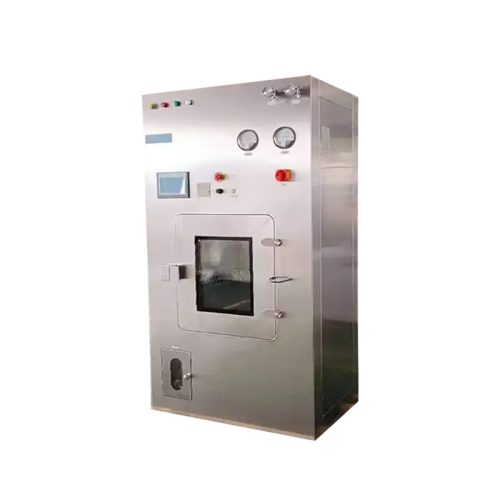
A static passbox is installed at the entrance or exit of a cleanroom or between rooms of different cleanliness levels.
1、什么是静态传递窗?
2、静态传递窗核心功能与特点
3、静态传递窗工作原理
4、静态 vs 动态传递窗对比
5、静态传递窗主要类型
6、静态传递窗核心结构与材质
6、静态传递窗常规尺寸
7、静态传递窗应用领域
8、静态传递窗使用与维护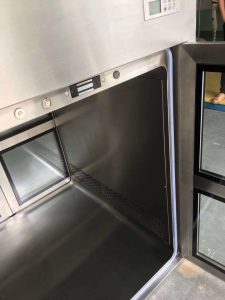
- What is a static passbox?
A static passbox is a non-standard mechanical device.
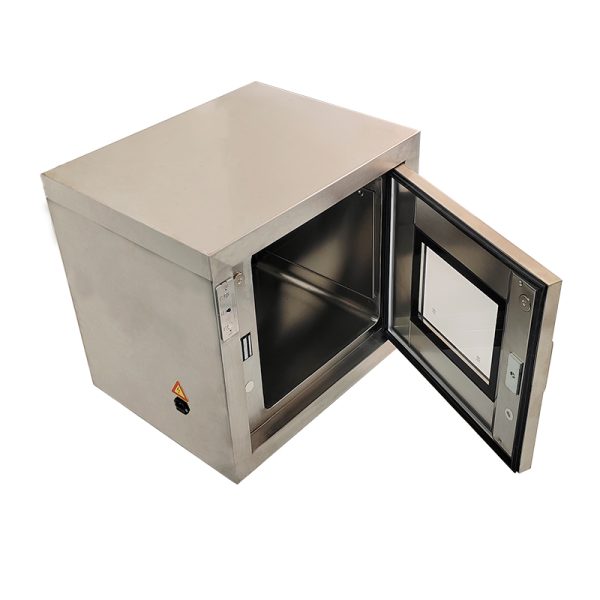
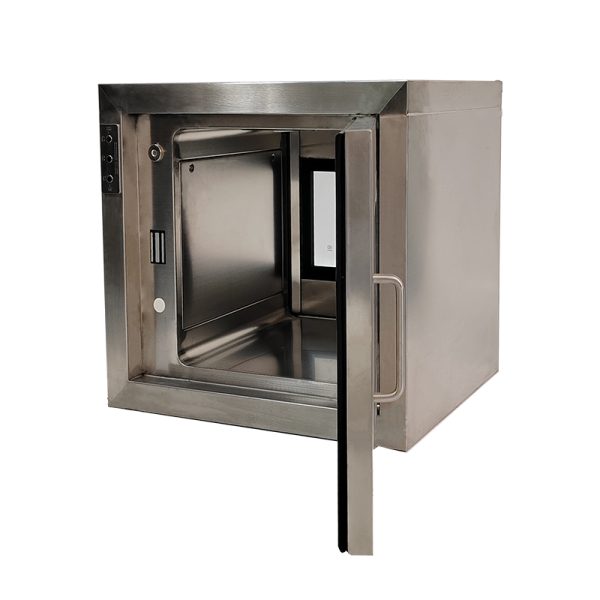
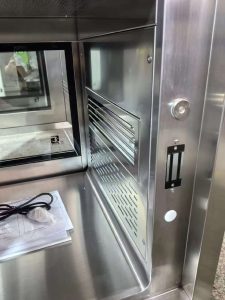
A static passbox is installed at the entrance or exit of a cleanroom or between rooms of different cleanliness levels. It blocks airflow between the indoor and outdoor areas during the transfer of goods, preventing contaminated air from entering the cleanroom and causing cross-contamination. Special sealing strips are installed on the inside of each door to ensure the airtightness of the passbox.
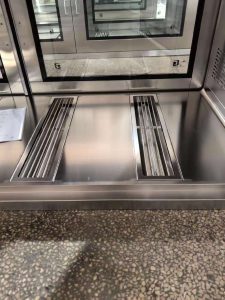
A static passbox is a basic device used for the safe transfer of materials between areas of different cleanliness levels. Unlike a dynamic passbox, it does not have a self-cleaning fan. Instead, it relies on mechanical or electronic interlocking of the doors to prevent cross-contamination. It is suitable for cleanroom environments that are sensitive to airflow disturbances or have limited budgets.
- Static Passbox Core Functions and Features
- Basic Isolation: An interlocking design (mechanical/electronic) ensures that both doors cannot be opened simultaneously, preventing air contamination.
- Economical and Practical: No fans or filters are required, resulting in low costs and simple maintenance.
- Diverse Materials: Available in stainless steel and plastic-sprayed steel.
- Optional Sterilization: Some models can be equipped with a UV lamp.
- Working Principle of a Static Pass Box
- The working principle of a static pass box is to achieve interlocking through a mechanical or electronic interlocking device.
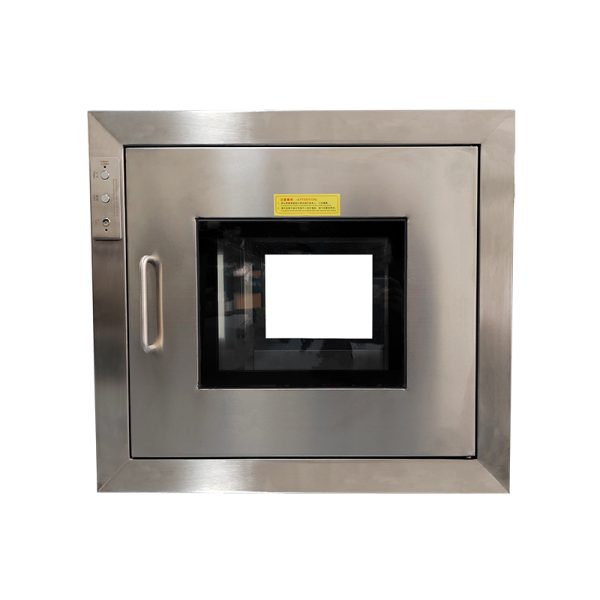
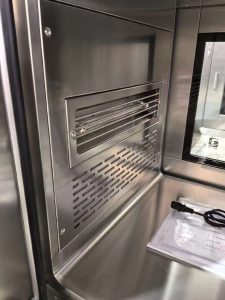
- Static pass boxes are made of stainless steel, resulting in a smooth and polished finish. Their working principle is as follows:
- Mechanical interlocking:This interlocking mechanism is implemented internally. When one door is open, the other door cannot be opened. The other door must be closed before the other can be opened.
- Electronic interlocking:This interlocking mechanism utilizes an integrated circuit, electromagnetic lock, control panel, and indicator lights. When one door is open, the open indicator light on the other door turns off, indicating that the other door cannot be opened. Simultaneously, the electromagnetic lock activates, completing the interlock. When the other door is closed, the electromagnetic lock on the other door activates, and the indicator light illuminates, indicating that the other door can be opened.
- Static VSDynamic Passbox
| Comparison Item | Static Passbox | Dynamic Passbox |
| Self-cleaning function | No | Equipped with HEPA fan to purify the internal air |
| Cleanliness maintenance | Reliance on external cleaning systems | Internal self-cleaning to ISO Class 5 |
| Cost | Low (about 1/3 of the dynamic price) | High |
| Suitable for clean areas | ISO grade 7-8 (10,000-100,000) | ISO grade 5 (class 100) and above |
- Main types of static Passbox
| Type | Features | Application |
| Mechanical interlock type | Pure mechanical structure, the doors on both sides are interlocked by physical buckles | Ordinary clean room, warehouse material delivery |
| Electronic interlock type | With control panel, can set delayed door opening and alarm prompts | GMP workshops and laboratories (compliance records required) |
| Transparent acrylic type | The box is made of acrylic material, which makes it easy to observe the items inside | Small laboratory, clean bench supporting |
| Sterilizable type | Built-in UV lamp or ozone sterilization module, automatic disinfection before delivery | Sterile delivery, medical supplies transportation |

- Static Pass-Thru Box Core Structure and Materials
Case:
- 304 Stainless Steel: Corrosion-resistant and easy to clean (preferred for the pharmaceutical and food industries).
- Plastic-coated steel: Economical and rust-resistant (for industrial environments).
- Acrylic: Transparent and ideal for viewing, suitable for lightweight requirements.
Door Lock Mechanism:
- Mechanical Interlock: Gear/latch structure, forced single-side opening.
- Electronic Interlock: Electromagnetic lock + PLC control, supports timing and alarms.
Sealing Strip:
- Silicone material, ensuring airtightness (dust and bacteria resistance).
- Conventional size of static Passbox
| Type | Inner size (W*D*H, mm) | Applicable materials |
| Small | 400×400×400 | Reagent bottles, small tools |
| Middle | 600×600×600 | Packaging boxes, instrument parts |
| Large | 800×800×800 | Large capacity raw material barrels |
| Customize | Designed on demand
(longest side ≤ 1200mm) |
Special shaped materials |
- Static Pass-Thru Window Applications
- Pharmaceutical Industry:Transfer of packaging materials and record books between Class D/Class C areas.
- Electronics Manufacturing:Transfer of materials between dustproof workshops and general warehouses.
- Laboratory: Transfer of samples from non-clean areas to biological safety cabinets.
- Food Industry: Buffer transfer of packaging materials before entering the clean packaging area.
- Static Pass-Thru Window Operation and Maintenance
Operational Procedure:
- Insert items from the outside → Close the outer door → Access from the inside (do not open the door at the same time).
- For sterilization, first activate the UV lamp (15-30 minutes).
Daily Maintenance:
- Weekly wipe the inner wall and seal with alcohol.
- Check the interlock mechanism for proper operation (for mechanical models, lubricate the hinges).